
Tiếng Anh 10 Unit 10: Ecotourism – Lý thuyết và bài tập
Học chủ đề du lịch sinh thái qua ví dụ gần gũi, cấu trúc được giải thích bằng tiếng Việt và bài tập tự luyện. Nội dung theo trọng tâm Unit 10 của Tiếng Anh 10 Global Success.
1. Từ vựng theo chủ đề
Đọc câu ví dụ, sau đó thay một chi tiết để tạo câu của em.
| Từ/cụm từ | Nghĩa | Ví dụ |
|---|---|---|
| ecotourism | du lịch sinh thái | Ecotourism should benefit nature and local people. |
| responsible | có trách nhiệm | Be a responsible visitor. |
| local community | cộng đồng địa phương | The trip supports the local community. |
| wildlife | động vật hoang dã | Watch wildlife from a safe distance. |
| trail | đường mòn | Stay on the marked trail. |
| guide | hướng dẫn viên | Listen to the guide. |
| impact | tác động | Tourism has an impact on nature. |
| preserve | gìn giữ | Visitors should preserve local traditions. |
| respect | tôn trọng | Respect local customs. |
| benefit | mang lại lợi ích | Small local businesses can benefit. |
| destination | điểm đến | Choose a suitable destination. |
| conservation | bảo tồn | Part of the fee supports conservation. |
2. Ngữ pháp và cách vận dụng
Điều kiện loại 1: khả năng thực tế
If + hiện tại đơn, S + will/can/may + V. If visitors stay on the trail, they will protect fragile plants. Không dùng will trong mệnh đề if theo mẫu này. Có thể dùng mệnh lệnh ở vế chính: If you see litter, tell the guide.
Điều kiện loại 2: giả định khó xảy ra hoặc trái hiện tại
If + quá khứ đơn, S + would/could + V. If I had more free time, I would join a conservation trip. Với be, were thường dùng cho mọi chủ ngữ trong giả định trang trọng: If I were you, I would choose a small group tour.
Phân biệt ý nghĩa và dấu câu
If we leave early, we will arrive before noon: kế hoạch có thể thực hiện. If we had a boat, we could visit the island: hiện chưa có thuyền. Khi mệnh đề if đứng trước, thường đặt dấu phẩy; khi nó đứng sau thì thường không cần.
Ví dụ có hướng giải
If we leave early, we ___ before noon. (arrive; type 1)
- Xác định chủ ngữ, ý nghĩa và dấu hiệu thời gian hoặc cấu trúc được yêu cầu.
- Loại 1: if hiện tại đơn, vế chính will + V.
- Điền đáp án: will arrive; đọc lại toàn câu để kiểm tra sự hòa hợp.
Lỗi thường gặp
| Câu cần sửa | Cách sửa | Vì sao |
|---|---|---|
| If it will rain, we will postpone the walk. | If it rains, we will postpone the walk. | Không dùng will ở mệnh đề if theo mẫu loại 1. |
3. Phát âm
Ngữ điệu thay đổi theo ý định. Câu hỏi yes/no trung tính thường lên giọng: Are you ready? Câu hỏi Wh thường xuống giọng: Where will we meet? Lời khuyên rõ ràng thường kết thúc xuống giọng: Stay on the marked trail. Đây là khuynh hướng, không phải quy tắc cứng cho mọi ngữ cảnh.
Đọc chậm rồi tăng tốc vừa phải. Có thể đối chiếu âm thanh từ điển hoặc học liệu nghe của lớp để tự sửa.
4. Hội thoại và luyện nói
A: What should I bring on the walk?
B: If I were you, I would bring a reusable bottle.
A: What happens if it rains heavily?
B: The guide will postpone the walk if conditions are unsafe.
Luyện theo cặp, đổi vai và thay thông tin bằng tình huống của em. Nói rõ ý, đưa thêm một lý do và phản hồi lịch sự.
5. Bài tập có đáp án
Làm trước khi mở lời giải. Với câu viết, có thể có nhiều đáp án đúng; bài mẫu dùng để đối chiếu cách triển khai và cấu trúc.
Từ vựng, ngữ pháp và phát âm · Câu 1–10
Câu 1. If we leave early, we ___ before noon. (arrive; type 1)
Xem đáp án và giải thích câu 1
will arrive
Loại 1: if hiện tại đơn, vế chính will + V.
Câu 2. If visitors ___ on the trail, plants will be safer. (stay)
Xem đáp án và giải thích câu 2
stay
Mệnh đề if loại 1 dùng hiện tại đơn.
Câu 3. If I had more free time, I ___ the trip. (join; type 2)
Xem đáp án và giải thích câu 3
would join
Giả định loại 2 dùng would + V.
Câu 4. If I ___ you, I would ask the guide. (be; formal hypothetical)
Xem đáp án và giải thích câu 4
were
If I were you là cách khuyên giả định chuẩn.
Câu 5. Correct: If it will rain, we will postpone the walk.
Xem đáp án và giải thích câu 5
If it rains, we will postpone the walk.
Không dùng will ở mệnh đề if theo mẫu loại 1.
Câu 6. If we ___ a boat, we could visit the island. (have; unreal now)
Xem đáp án và giải thích câu 6
had
Giả định trái hiện tại dùng quá khứ đơn.
Câu 7. Complete: Stay on the marked ___.
Xem đáp án và giải thích câu 7
trail
Trail là đường mòn.
Câu 8. Should responsible visitors feed wild animals?
Xem đáp án và giải thích câu 8
No. They should observe them from a distance.
Cho ăn có thể gây hại; nội dung đoạn đọc cũng loại trừ hoạt động này.
Câu 9. Which phrase means cộng đồng địa phương?
Xem đáp án và giải thích câu 9
local community
Cụm từ chỉ người dân địa phương.
Câu 10. What is a common intonation pattern for a neutral yes/no question?
Xem đáp án và giải thích câu 10
Rising intonation.
Khuynh hướng thường gặp, phụ thuộc ngữ cảnh.
Đọc hiểu · Câu 11–16
Green Valley Walk is a fictional one-day tour designed for a small group of students. The route follows an existing forest trail and includes a visit to a village workshop. A local guide explains how visitors can enjoy the area while reducing their impact. The advertisement promises learning and careful observation rather than close contact with wild animals.
Before departure, participants receive clear instructions. They should bring water in reusable bottles, wear suitable shoes and carry their rubbish out. If the weather becomes unsafe, the walk will be postponed. During the visit, the group will stay on the marked path and observe wildlife quietly from a distance. Feeding animals or collecting plants is not part of the activity.
At the workshop, visitors can learn how local crafts are made. Buying a product is optional, and the guide asks students to request permission before taking photographs of people. Part of the tour fee pays local guides and contributes to maintaining the trail. The organisers explain these payments so travellers can understand how the community benefits.
The class compares this offer with another tour that advertises large groups and guaranteed animal encounters. They decide to ask more questions before choosing. A responsible trip should provide honest information about safety, environmental practices and local involvement. If every visitor made thoughtful choices, tourism could bring more lasting benefits. However, attractive words such as green or natural are not enough on their own; actions and clear evidence matter.
Câu 11. Is Green Valley Walk a real advertised tour in this text?
Xem đáp án và giải thích câu 11
No. It is a fictional example.
Câu mở đầu nêu rõ.
Câu 12. What happens if the weather is unsafe?
Xem đáp án và giải thích câu 12
The walk will be postponed.
Đoạn hai.
Câu 13. Must visitors buy a craft product?
Xem đáp án và giải thích câu 13
No. Buying a product is optional.
Đoạn ba.
Câu 14. What should students do before photographing people?
Xem đáp án và giải thích câu 14
Ask for permission.
Đoạn ba.
Câu 15. How does part of the tour fee help locally?
Xem đáp án và giải thích câu 15
It pays local guides and helps maintain the trail.
Đoạn ba.
Câu 16. Why are the words green and natural insufficient?
Xem đáp án và giải thích câu 16
They do not prove responsible actions or benefits by themselves.
Câu cuối nhấn mạnh hành động và bằng chứng.
Viết và vận dụng · Câu 17–20
Câu 17. Give advice using If I were you.
Xem đáp án và giải thích câu 17
If I were you, I would bring a reusable bottle.
Loại 2 để đưa lời khuyên.
Câu 18. Complete a real future condition: If tourists respect local customs, …
Xem đáp án và giải thích câu 18
If tourists respect local customs, they will have a more positive experience.
Đáp án mẫu; if hiện tại, will + V.
Câu 19. Suggest one question to ask a tour organiser.
Xem đáp án và giải thích câu 19
How does the tour support the local community?
Câu hỏi kiểm tra lợi ích cụ thể.
Câu 20. Write a 120–150-word advertisement for a fictional responsible tour.
Xem đáp án và giải thích câu 20
Plan: name the place and duration; describe two activities; explain local benefits; give visitor rules and a weather condition.
Bài mẫu:
Discover Green Valley on our fictional one-day learning tour. Join a small group and follow an existing forest trail with a local guide. You will learn about native plants and observe wildlife quietly from a distance. After the walk, visit a village workshop to discover how traditional crafts are made. Buying a product is optional. Part of the tour fee pays local guides and helps maintain the trail. Please bring a reusable water bottle, wear suitable shoes and take your rubbish home. Ask permission before photographing local people, and never feed wild animals. If the weather becomes unsafe, we will postpone the walk. This trip is designed for visitors who want to learn and travel responsibly. Enjoy the landscape while helping to protect the places and communities you visit.
Nêu rõ chuyến đi giả định; không hứa gặp động vật chắc chắn. Có một câu điều kiện loại 1 và thông tin đủ để người đọc hình dung.
6. Quan sát ảnh và dùng tiếng Anh
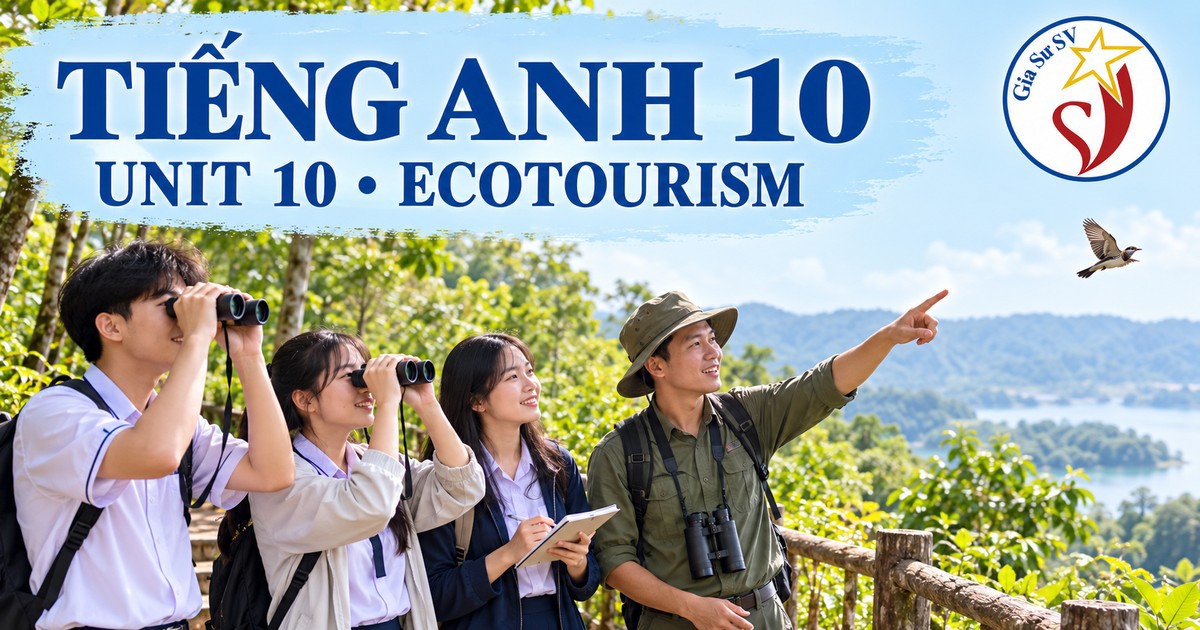
Quan sát ảnh đầu bài. Trả lời bằng câu đầy đủ, dùng chi tiết nhìn thấy hoặc liên hệ hợp lý với chủ đề.
Câu 21. What are the students using to observe wildlife?
Xem đáp án và giải thích câu 21
They are using binoculars.
Đối chiếu chi tiết có trong ảnh, rồi chọn từ vựng phù hợp.
Câu 22. Write two sentences about the picture or a related situation.
Xem đáp án và giải thích câu 22
The students are watching a bird with their guide. If they keep a respectful distance, they will disturb wildlife less.
Đáp án mẫu; một câu mô tả hoặc nhận diện chi tiết, một câu liên hệ chủ đề. Các cách diễn đạt đúng khác đều được chấp nhận.
7. Ghi nhớ cuối bài
If + hiện tại đơn, S + will/can/may + V.
If + quá khứ đơn, S + would/could + V.
If we leave early, we will arrive before noon: kế hoạch có thể thực hiện.
Đặt hai câu mới, giải thích một lỗi thường gặp và làm lại câu đã sai sau một ngày.
Biên soạn: Gia Sư SV.